
Loading...
Serving Lowell, MA and surrounding areas. (351) 204-0101
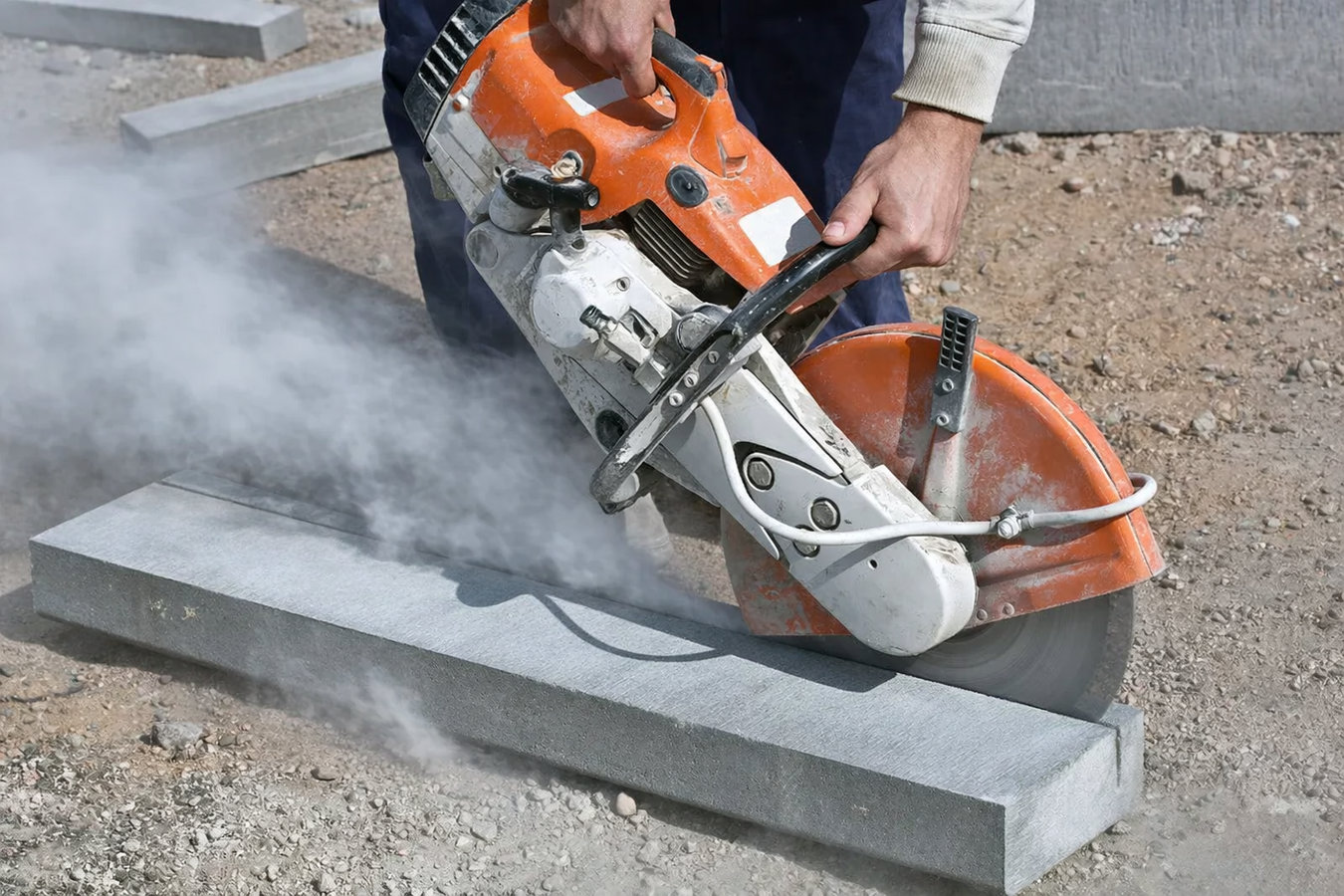
Old Lowell slabs are thick, unpredictable, and full of surprises. We use diamond-blade saws and proper dust control to make the cut you need, in basements, driveways, or foundation walls, with permits handled so the work holds up when it matters.
Concrete cutting in Lowell uses diamond-tipped saws and core drills to make clean, controlled openings in existing concrete floors, walls, and slabs. Unlike jackhammer demolition, diamond cutting leaves straight edges and produces far less vibration. Most residential jobs, a basement floor trench for a new drain, an opening for a doorway, or a damaged driveway section to be removed, are completed in one day, with permit approval adding one to two weeks if plumbing or structural work is involved.
In Lowell, the most common reason homeowners call for concrete cutting is water. Basement moisture along the floor-wall joint after a wet spring or heavy snow melt is a tell-tale sign that an interior drainage channel needs to be cut and installed. Given the city's proximity to the Merrimack River and the older housing stock throughout Centralville, Belvidere, and the Acre, interior drainage work is in steady demand here. For homeowners addressing a larger scope of work, concrete cutting is often a precursor to concrete driveway building or to concrete parking lot building when damaged sections need to be cleanly removed before new concrete is poured.
Lowell's housing stock is among the oldest in Massachusetts. Concrete in these homes, particularly basement floors and foundation walls, was often poured thicker and with different mixes than modern standards. That makes cutting slower and more labor-intensive, and it is why we assess slab thickness before quoting a firm price on any job.
If you notice water seeping in where your basement floor meets the wall, especially after a heavy rain or during Lowell's spring thaw, that is a strong sign that drainage underneath the slab is failing or nonexistent. Concrete cutting is often the first step in installing an interior drainage channel that redirects that water before it damages your belongings or your foundation. This is one of the most common calls contractors get from Lowell homeowners in lower-lying neighborhoods near the river.
Small hairline cracks in a basement floor are common in older Lowell homes, but if you have noticed a crack getting wider or longer over time, it may indicate movement or moisture pressure underneath the slab. A contractor may need to cut along or near that crack to assess what is happening below and make a lasting repair. Cracks that run from wall to wall or that have a slight lip on one side are worth getting looked at sooner rather than later.
Any new drain in a basement requires cutting through the concrete floor to reach the existing drain line below. If you are planning a basement renovation and the plans include any kind of plumbing fixture, concrete cutting is almost certainly part of the job. This is a planned need rather than an emergency, but it is worth getting a cutting quote early in your planning process so it does not hold up the rest of the project.
Lowell's freeze-thaw cycles are hard on exterior concrete. If a section of your driveway or front walk has lifted, cracked, or become uneven, cutting out that section cleanly is the first step toward a proper repair or replacement. Trying to patch over a badly damaged section without cutting it out first almost always leads to the patch failing within a season or two.
We handle flat slab cutting, wall cutting, and core drilling throughout Lowell using diamond-blade equipment sized to the job. Flat sawing is the standard method for cutting floors and horizontal slabs, whether for trench drains, plumbing access, or section removal before a patch. Wall sawing handles vertical cuts in foundation walls for doorways, window wells, or utility openings. Core drilling produces clean round holes for pipes, conduits, and anchors. The right method depends on the thickness of the concrete, the location, and what comes next.
Silica dust is a real hazard in concrete cutting, and the Occupational Safety and Health Administration has detailed requirements for dust control on any job where concrete is cut. We follow those standards on every project: wet cutting where possible, vacuum shrouds on saws, and plastic sheeting to isolate the work area from living spaces. In an older Lowell home with an open basement staircase or shared airflow between floors, this is not optional.
When the scope of work goes beyond cutting, we can coordinate the job with concrete driveway building for exterior replacement work or with concrete parking lot building when commercial sections need precise removal before a new pour. Keeping cutting and pouring on one contractor eliminates coordination gaps and keeps the project moving.
Best for homeowners cutting basement floors for drainage channels, plumbing rough-ins, or removing damaged horizontal sections before patching.
Suited for creating doorways, egress windows, or utility openings in poured concrete or block foundation walls in older Lowell homes.
For homeowners or contractors who need clean round holes for pipes, anchors, or conduits without disturbing the surrounding concrete.
Lowell experiences more than 100 freeze-thaw cycles per year, which is one of the main reasons Lowell homeowners find themselves needing concrete cutting sooner than they might expect. Water seeps into small cracks in concrete, freezes, expands, and widens those cracks season after season. This leads to damaged slabs, failed drainage, and sections that need to be opened up before proper repairs can be made. Scheduling cutting work in late spring or early fall, when temperatures are stable, gives the best results and avoids complications from frozen ground or fresh patches exposed to early frost.
Most Lowell homes were built before 1960, with a large share dating to the late 1800s through the 1940s. Concrete in these homes was often poured thicker and with different mixes than modern standards, which can make cutting slower and more labor-intensive. If you live in a triple-decker or mill-era home in neighborhoods like Centralville, Belvidere, or the Acre, expect your contractor to assess the slab thickness before quoting a firm price. Lowell also sits along the Merrimack River, and parts of the city have soils that hold moisture, which contributes to the basement moisture intrusion that drives much of the interior drainage cutting work in the city.
We work in Lowell and surrounding communities including Methuen, Lawrence, and Haverhill. Freeze-thaw damage and older housing stock are consistent across this region, and our methods are calibrated for these conditions.
When you call or message, we ask you to describe what you need: where the cut is, roughly how large, and what it is for. It helps to have a few photos ready, especially for basement or tight-space jobs. You do not need technical knowledge; just describe what you are seeing. We reply to all inquiries within one business day.
For most jobs, we visit before giving a firm price. We look at slab thickness, check for pipes or wires in the cut path, and assess how to get equipment in and out. In Lowell's older homes, this step is especially important. Older slabs can be thicker than expected, and older construction sometimes has utilities in unexpected places.
If your project involves plumbing, electrical, or structural changes, a permit will likely be needed from Lowell's Inspectional Services office. We handle pulling the permit; you should not have to navigate that yourself. This step can add a week or two to the timeline, so it is worth asking about it early.
The crew marks cut lines, sets up dust containment, and begins cutting. Expect noise and some vibration. Most residential cuts are completed in a few hours. Once done, we remove the cut sections, clean the area, and walk you through what was done and what comes next, including who is responsible for patching.
We visit, assess the slab, and give you a written quote that breaks down exactly what is included. No surprises on debris removal or patching.
(351) 204-0101We carry flat saws, wall saws, and core drills in multiple sizes because Lowell's older slabs are not uniform. A 6-inch-thick mill-era basement floor needs different equipment than a 4-inch modern slab. Showing up with the wrong saw wastes your time and can damage the surrounding concrete.
The Concrete Sawing and Drilling Association sets the dust control benchmarks our industry operates by. We use wet cutting, vacuum shrouds, and plastic sheeting on every indoor job. CSDA standards exist because silica dust is a genuine health hazard, and protecting your home is part of the job, not an add-on.
Any concrete cutting tied to plumbing or structural work in Massachusetts requires licensed contractors and pulled permits. We are licensed, we pull permits, and we coordinate inspections through Lowell's Inspectional Services Division. Cutting without permits on foundation or plumbing work can void your insurance and create problems at closing.
We have cut through basement floors in the Acre, foundation walls in Centralville, and driveway slabs in Belvidere. Working in Lowell's older homes means knowing that slabs can hide debris, old drain lines in unexpected places, and construction materials that predate modern standards. We scan before we cut.
Concrete cutting in an older Lowell home is not a job for a rental saw and a weekend. The combination of thick slabs, uncertain subsurface conditions, silica dust hazards, and permit requirements means the cost of cutting it wrong is much higher than the cost of doing it right the first time. That is why homeowners across Lowell call us before they start.
New driveway concrete poured after damaged sections are removed, graded, and prepared to handle Lowell's freeze-thaw cycles.
Learn moreCommercial and residential lot paving after precise section removal, with drainage planning for Lowell's winter conditions.
Learn moreWe know what is under older Lowell floors. Call now to get a written quote from a crew that comes prepared for thick slabs, tight spaces, and the permit requirements that protect your home long-term.