Loading...
Serving Lowell, MA and surrounding areas. (351) 204-0101
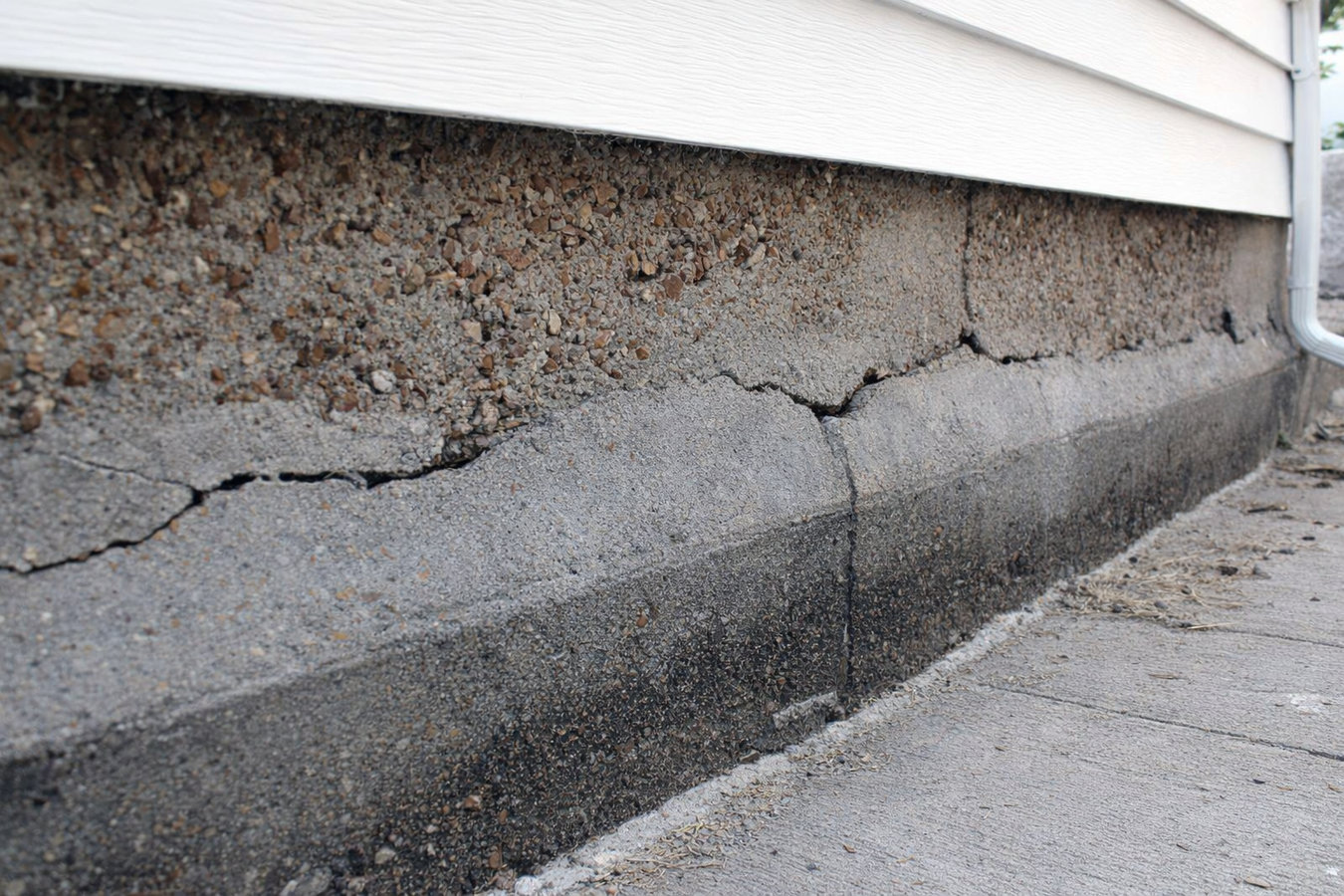
A sunken foundation only gets worse with every Lowell winter. We lift sunken slabs back to level using foam or slurry injection, fix the drainage that caused the sinking, and handle permits so the repair lasts.
Foundation raising in Lowell is the process of lifting a sunken concrete slab back to its original level by pumping a material, either expanding polyurethane foam or a cement-based slurry, through small drilled holes to fill voids underneath and push the slab upward. Most residential jobs are completed in a few hours, though permits and site preparation extend the full timeline to one to three weeks.
In Lowell, the most common cause of foundation sinking is a combination of freeze-thaw soil movement and poor drainage. The ground here freezes and thaws over 100 times per winter, which compresses and shifts the soil beneath older slabs. If water is still pooling against the foundation after a repair, the problem will come back. For homeowners also addressing larger structural concerns, foundation raising can be coordinated with concrete cutting or slab foundation building to keep everything on one timeline.
Lowell has a large share of homes built before 1960, many before 1940, and their slabs are often thinner and more brittle than modern pours. We adjust the lifting method and pressure accordingly. Rushing a lift on an old slab can crack it worse than it already is, which is why an experienced contractor assesses the concrete condition before recommending foam or slurry.
When a foundation shifts, the door frames and window frames above it shift too. If a door that used to swing freely now drags on the floor or a window that opened easily now jams, that is worth paying attention to. In Lowell's older homes, this symptom often appears in late spring after the ground has finished its winter movement cycle, and it typically gets worse each year if the slab continues to drop.
Walk along the base of your interior walls and look for a gap between the floor and the baseboard. A gap that runs along a section of wall, especially in a basement or ground-floor room, often means that part of the slab has dropped away from where it used to sit. This is one of the clearest signs that the concrete beneath you has moved and will not correct itself.
Small hairline cracks in a concrete floor are common and not always serious. But if you notice a crack that has grown wider over the past year, or one where one side sits higher than the other, that is a sign of active movement, not just normal settling. In Lowell, this kind of progressive cracking often accelerates after a particularly harsh winter.
Stand outside your home during or right after a heavy rain and watch where the water goes. If it flows toward your foundation rather than away from it, that water is soaking into the soil beneath your slab and slowly washing it away. Given Lowell's proximity to the Merrimack River and its tendency toward wet springs, this is a very common setup for foundation sinking in the city.
We lift sunken foundations using either expanding polyurethane foam injection or a cement-based slurry method, depending on the size of the void, the condition of the slab, and the site conditions. Foam is lighter and cures faster, which makes it better for smaller, more precise lifts. Slurry is a proven method for larger voids and has been used in the industry for decades. We assess your situation and recommend the approach that fits your slab and your budget.
Every foundation raising job in Lowell starts with identifying what caused the sinking in the first place, because lifting the slab without fixing the drainage or soil issue underneath it is only a temporary fix. We look at downspouts, grading around the foundation, and whether there are any leaks or soil erosion patterns. The American Concrete Institute provides the technical guidelines for lifting methods and load calculations that we follow on every project.
For homeowners managing broader foundation work, we can coordinate foundation raising alongside concrete cutting for drainage installations or schedule the repair to align with slab foundation building to keep the overall project on one timeline and minimize repeat mobilizations.
Best for smaller, more precise lifts where speed and minimal weight are priorities, and where the slab is structurally sound but needs targeted adjustment.
Suited for larger voids and heavier slabs where a proven, cost-effective method is needed and where cure time can accommodate a slower process.
For addressing the root cause of sinking by regrading soil, extending downspouts, and redirecting water away from the foundation to protect the repair long-term.
Lowell averages more than 100 freeze-thaw cycles per year, meaning the ground repeatedly freezes and thaws throughout late fall, winter, and early spring. Each cycle pushes and pulls the soil beneath your foundation, gradually creating voids that cause slabs to sink. This means foundation problems here tend to worsen faster than in warmer climates, and waiting a season or two to address a sinking slab usually makes the repair more expensive. Acting before another winter hits stops the cycle of damage.
A large share of Lowell's residential neighborhoods, including the Highlands, Centralville, and Belvidere, contain homes built before 1960, many before 1940. Foundations from that era were often built on soil that was never engineered or compacted to modern standards, and the concrete itself may be thinner or less reinforced than what is poured today. This means foundation raising in Lowell frequently involves older, more fragile slabs that require a more careful, lower-pressure approach. Many Lowell properties, particularly in the denser neighborhoods near downtown and the Acre, sit on small lots with minimal setback from neighboring structures, which limits how much grading or drainage work can be done around the foundation after lifting.
We serve Lowell and surrounding communities including Chelmsford, Dracut, and Billerica. Freeze-thaw cycles and older housing stock affect all of these areas, and our assessment and lifting process is consistent regardless of which side of the city line the property sits on.
When you call, we ask a few basic questions: where the problem is, how long you have noticed it, and whether there are any visible cracks or gaps. This helps us show up prepared. Most Lowell contractors can schedule an on-site visit within a few days to a week, and we reply to all inquiries within one business day.
We walk the area with you and look at the slab, the surrounding soil, and any drainage patterns. We are trying to understand not just how much the slab has dropped, but why, because fixing the cause is just as important as lifting the concrete. You should feel comfortable asking questions during this visit.
After the assessment, you receive a written estimate that breaks down the cost. At this stage, we also tell you whether a permit is required through Lowell's Inspectional Services Division and who will handle pulling it. Do not proceed with any contractor who is vague about the permit question.
On the day of the job, the crew drills small holes through the slab at measured intervals and pumps the lifting material through until the slab rises back to the correct level. The crew monitors the lift carefully. Once level, the holes are patched, and we walk you through what was done and what to watch for going forward, especially drainage.
Get a free on-site estimate with a written breakdown. We show you what is happening under your slab and what it takes to fix it, no pressure, no guessing.
(351) 204-0101We have raised sunken foundations across Lowell neighborhoods, from Centralville triple-deckers to older homes in the Highlands. That volume of local work means we know what to expect in Lowell's soil and how older slabs respond to lifting pressure, so we do not learn on your job.
We handle the building permit application through Lowell's Inspectional Services Division and coordinate the inspection. You get a clean record if you ever sell your home, and the work is on file with the city. A contractor who skips permits is creating future problems for you.
We walk your site and identify the drainage issue that caused the sinking, whether that is poor grading, downspouts draining toward the foundation, or something else. Our estimates include what it takes to fix the cause, not just the symptom. A lift without drainage correction is a temporary repair.
We follow the technical standards set by the American Concrete Institute for concrete lifting, load calculations, and curing protection. This is not marketing language; it is how we calculate lift zones and pressures so older slabs do not crack worse than they already are.
These credentials mean we understand what causes foundation sinking in Lowell, how to lift older slabs without making them worse, and how to protect the repair so you are not calling us again after the next thaw. A contractor who cannot explain their lifting method or their drainage plan is not one you want working under your home.
Clean, precise cuts through basement floors or walls when adding drainage, running new lines, or modifying openings.
Learn moreNew slab foundations poured to code with proper base preparation, grading, and drainage for additions or new structures.
Learn moreEvery Lowell winter that passes makes the problem worse. Call now to get a written estimate and lock in your repair date before the next freeze-thaw cycle starts.